Empowering Properties of Puppets in Education and How to Create Them
5-day programme
This practical 5-day course introduces educators and educational staff to the creative and pedagogical potential of puppetry in teaching and learning. Through interactive workshops, hands-on puppet construction, storytelling exercises and collaborative activities, participants explore how puppets can support communication, creativity, emotional expression and inclusive participation. The programme combines foundational puppetry techniques with practical approaches to character development, puppet animation and classroom storytelling. Participants also discover how persona dolls and symbolic play can encourage empathy, address sensitive topics and support social-emotional learning. Particular attention is given to engaging learners with diverse needs and creating welcoming, supportive learning environments. By the end of the course, educators will have designed their own puppets and developed practical puppetry-based activities, gaining the confidence and skills to bring creativity, imagination and meaningful interaction into their classrooms.
This intensive, five-day training programme is designed to introduce educators to the pedagogical, emotional, and creative potential of puppetry in contemporary education. The course explores how simple puppets, rod puppets, object characters, and persona dolls can become powerful mediators for communication, social-emotional learning, conflict resolution, and inclusive classroom practices.
Grounded in relevant educational theories—including symbolic play, embodied learning, and Universal Design for Learning (UDL)—the course provides a balance of theoretical input and sustained hands-on practice. Participants learn how puppets can increase learner engagement, support emotional expression, reduce anxiety, and create psychologically safe environments for exploring sensitive topics. Special emphasis is placed on the use of persona dolls as anti-bias pedagogical tools for fostering empathy, addressing discrimination, and opening guided conversations around challenging themes in age-appropriate ways.
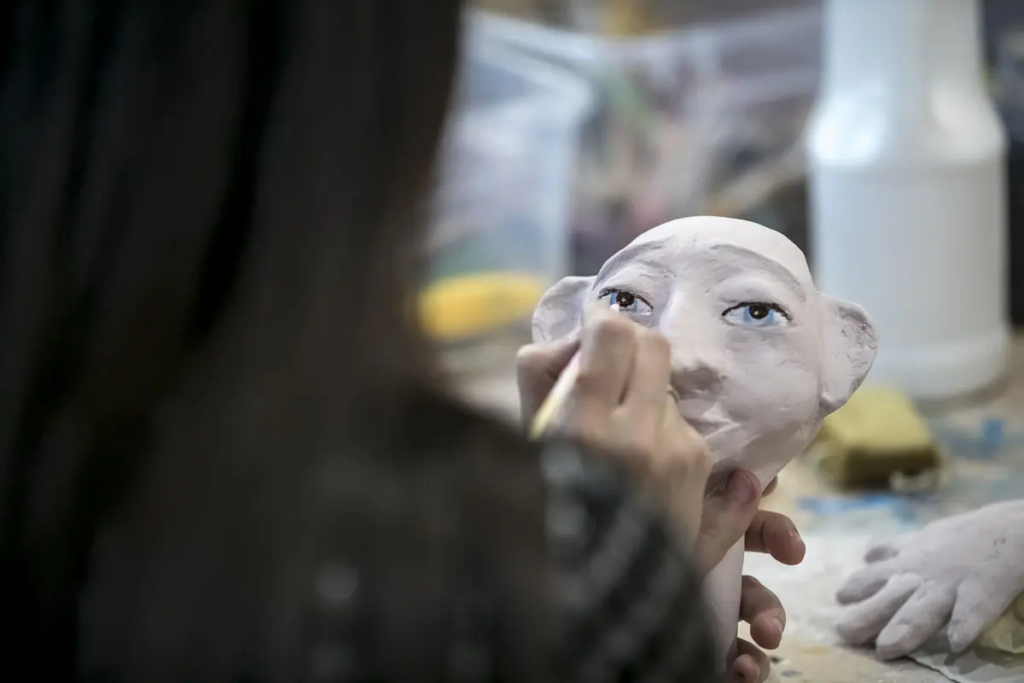
Throughout the week, participants engage in practical workshops on creating sock puppets and rod puppets using accessible, low-cost materials suitable for school settings. They also explore fundamental non-verbal animation principles such as movement, focus, rhythm, stillness, and intention, without relying on voice work. Animation tasks emphasise clear physical expression and clarity of gesture to support children’s comprehension and communication.
The programme further examines how puppetry can be integrated across subject areas to enhance literacy, language development, SEL competencies, intercultural understanding, and classroom climate. Participants design prototype learning activities, take part in micro-teaching sessions, and receive individualised support to adapt puppetry practices to their own schools and learner needs. The course concludes with reflective dialogue and practical guidance for future implementation, ensuring that participants leave with both creative skills and pedagogically sound strategies for embedding puppetry in their daily teaching practice.
Learning Outcomes
By the end of the course, participants will be able to:
1. Pedagogical Understanding
Demonstrate knowledge of the psychological, social-emotional, and cognitive benefits of puppetry in formal and non-formal education.
Analyse how puppets function as mediators for communication, emotional expression, distancing, and symbolic play.
Explain how puppetry supports inclusive education, UDL principles, anti-bias education, and social-emotional learning.
2. Technical Skills in Puppet Creation
Design and construct various types of puppets (e.g., sock puppets, rod puppets, persona dolls) using accessible and safe materials.
Apply structural principles (joints, rods, mechanisms) to create durable and expressive classroom puppets.
Solve creative and technical challenges during puppet construction.
3. Animation & Performance Skills
Animate puppets using principles of breath, focus, gesture, synchronisation, intention, and characterisation.
Develop unique puppet voices, physicality, and personality traits.
Perform short improvised and scripted scenes using single- and multi-rod puppets.
4. Application in the Classroom
Plan and facilitate educational activities that integrate puppetry for literacy, language development, conflict resolution, SEL, cultural awareness, and curriculum-based learning.
Use persona dolls to safely address sensitive topics, challenge stereotypes, mediate classroom conflicts, and promote empathy and inclusion.
Integrate puppetry into diverse subject areas and age groups, adapting approaches for different learner needs.
5. Creative Collaboration & Performance Production
Collaborate in small groups to develop a classroom-friendly puppetry performance, including scriptwriting, blocking, stage layout, and prop-making.
Apply performance-based methods to enhance creativity, teamwork, communication, and student engagement.
Evaluate puppetry scenes using constructive peer feedback and reflective practice.
6. Personal & Professional Development
Reflect critically on one’s own creative processes, teaching approaches, and emotional responses to working with puppets.
Identify strategies for embedding puppetry into long-term teaching practice and school culture.
Develop increased confidence, creativity, and pedagogical versatility through artistic and experiential learning.
Methodology and Assessment
The course is based on experiential, arts-based and constructivist methodologies that integrate theory with continuous hands-on practice. Participants engage in guided workshops on puppet construction, non-verbal animation, persona doll facilitation and classroom activity design. Learning is supported through modelling, collaborative tasks, reflective dialogue and micro-teaching exercises. Emphasis is placed on creativity, embodiment, inclusion and the safe exploration of sensitive topics. Assessment is formative and ongoing, focusing on participation, practical skill development, reflective discussions and the ability to transfer puppetry techniques into pedagogical planning. A final reflection and personalised feedback help participants consolidate their learning and plan future classroom implementation.
Day 1: Welcome, Group Building & Foundations of Puppetry in Education
Introductions & Icebreakers
Course Overview & Learning Agreement
The value of puppetry in education
Learning with puppets: theoretical approaches
Creative warm-up for the week
Day 2: Creating and Animating Sock Puppets
Character design
Construction workshop
Finishing & detailing
Animating sock puppets
Micro-improvisations
Day 3: Creating and Animating Rod Puppets
Introduction to rod puppetry
Practical workshop: construction (part 1)
Practical workshop: construction (part 2)
Fine detailing
Micro-scenes
Day 4: Persona Dolls
Foundations of persona doll pedagogy
Creating doll personas
Persona doll classroom approach
Simulated persona doll sessions
Reflection & practical application planning
Day 5: Integrating Puppetry into Daily Teaching & Reflection
Pedagogical applications across curriculum
Designing puppet-based learning activities
Hands-on micro-teaching sessions and feedback
Evaluation & Reflection
Validation of learning outcomes and certification
Preparation
After registration participants will receive pre-course questionnaire which will be used by the trainer to learn about participants’ teaching backgrounds and to assess their exact needs. Before the beginning of the course a basic reading list will be suggested to participants to prepare for the training. Participants will also be asked to prepare a presentation about themselves, their professional context and their culture. The presentation will be presented on the first day of the course to facilitate networking opportunities. Participants will receive information about the country they are going to visit in order to prepare them for their cultural experience.
Follow-up
After the course participants will be asked to share what they have learned with the rest of the staff in their schools. Further books and articles to deepen the topic and contacts with some other practitioners all over Europe and in the world will be suggested by the trainer. The methods shared and explored and the bibliography given will allow the participants to complete and improve their educational path.
Certificate
Certificate complies with the guidelines of the Erasmus+ programme and includes the topic, number of didactic hours, dates and location of the course. We can list the record of learning outcomes on the Europass Mobility Document on request of participants. In case a participant requires a specific format of certificate we can accommodate that if requested at least one week before the start of the course.
It is necessary to attend at least 80% of the course hours to be awarded the course certificate.
Additional Notes
This is only a tentative timetable. The exact hours or the course might differ and will be announced for each session 2 weeks before the start. However, there will always be a total of 5 didactic hours per day and all will be in line with the Erasmus+ quality standards. The trainer might slightly modify the content in response to the needs of the group.
Cultural and social programmes will be organized in addition to the academic programme. The exact cultural and social programme depends on the location, season, weather, etc.